
This is a picture of a leaf. This is an example of a deciduous leaf. Deciduous leaves are defined by falling off every fall or winter, and growing on trees or shrubs. This leaf detaches in the fall.
AP Biology Blog

This is a picture of a leaf. This is an example of a deciduous leaf. Deciduous leaves are defined by falling off every fall or winter, and growing on trees or shrubs. This leaf detaches in the fall.


This is a picture of a cypress tree leaf. Cypress leaves are an example of a conifer leaf. Conifer leaves belong to conifers, witch have pine cones, leaves all year. Most conifers are woody trees. Cypress trees have cones, keep their leaves, and is a woody tree.

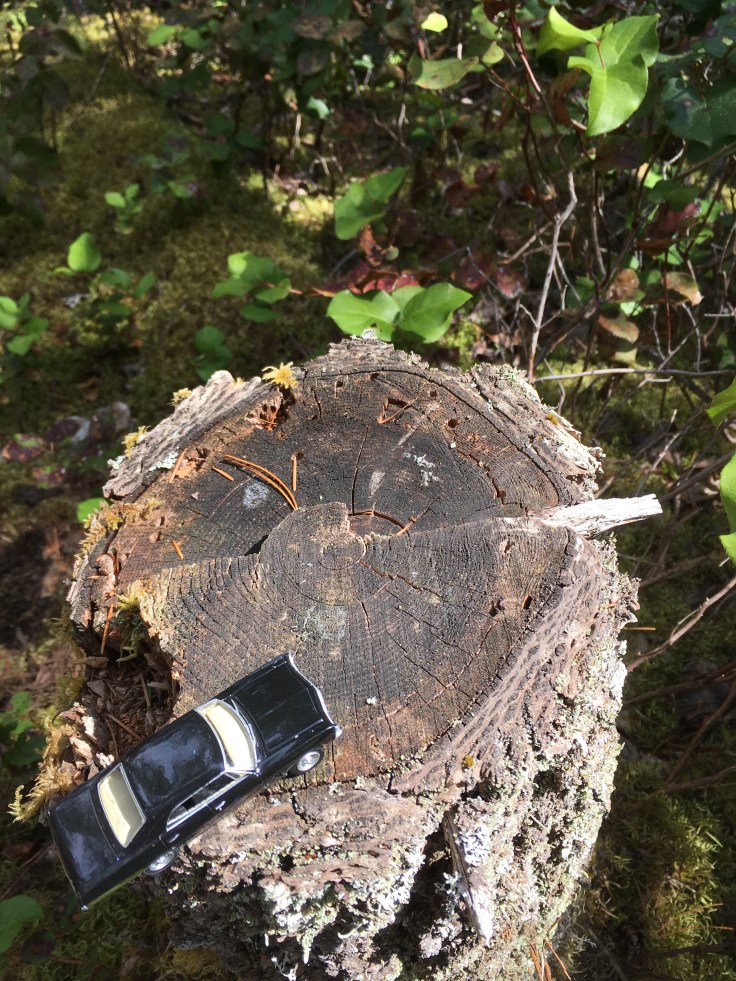
This is a picture of a tree. Trees have cambium, shown in the rings of trees. Cambium is a plant tissue that (in the case of trees) xylem grows by dividing. This creates rings in the tree; each ring representing a growth period, usually one every spring. This helps us know how old trees are.


This is a picture of a leaf with sunlight on it. This is an example of the Calvin cycle. The Calvin cycle is a process that occurs in the chloroplasts where sunlight and carbon dioxide are converted into sugars and ATP, which then helps the process continue. Plants that have sunlight on them are using the Calvin cycle.

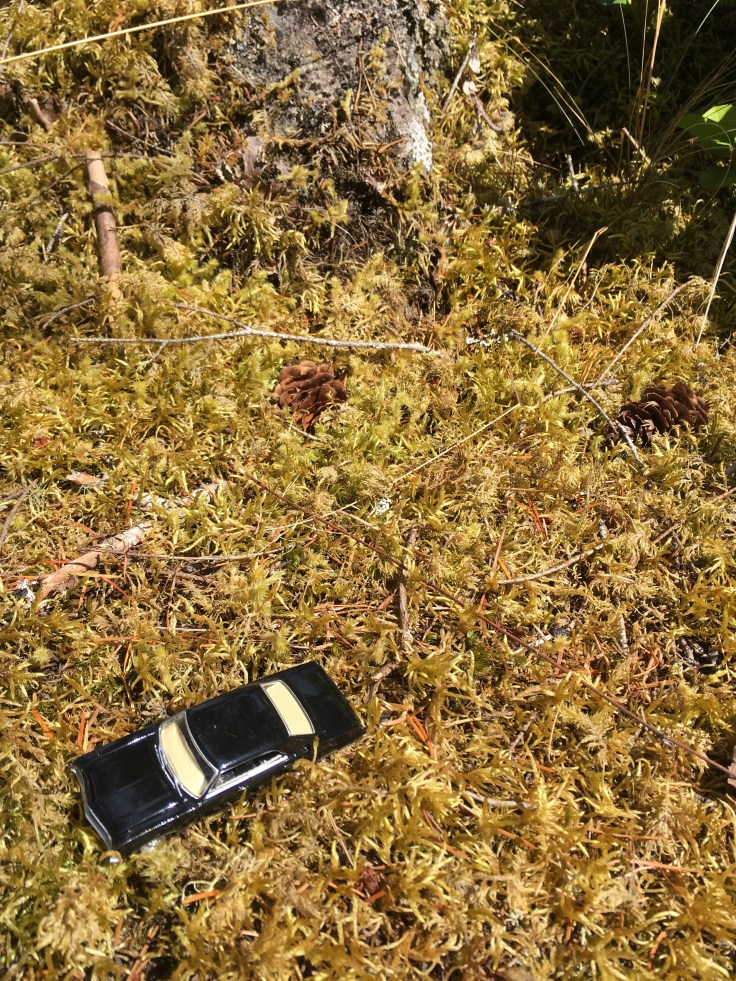
This is a picture of moss. Moss is an example of a bryophyte. Bryophytes are small green plants that do no flower. Moss does not flower, and it is a very small green plant.


This is a picture of a plant. Plants are an example of an autotroph. An autotroph is an organism that produces its own food. Plants turn carbon dioxide and water into glucose and oxygen, then they use the glucose as food.

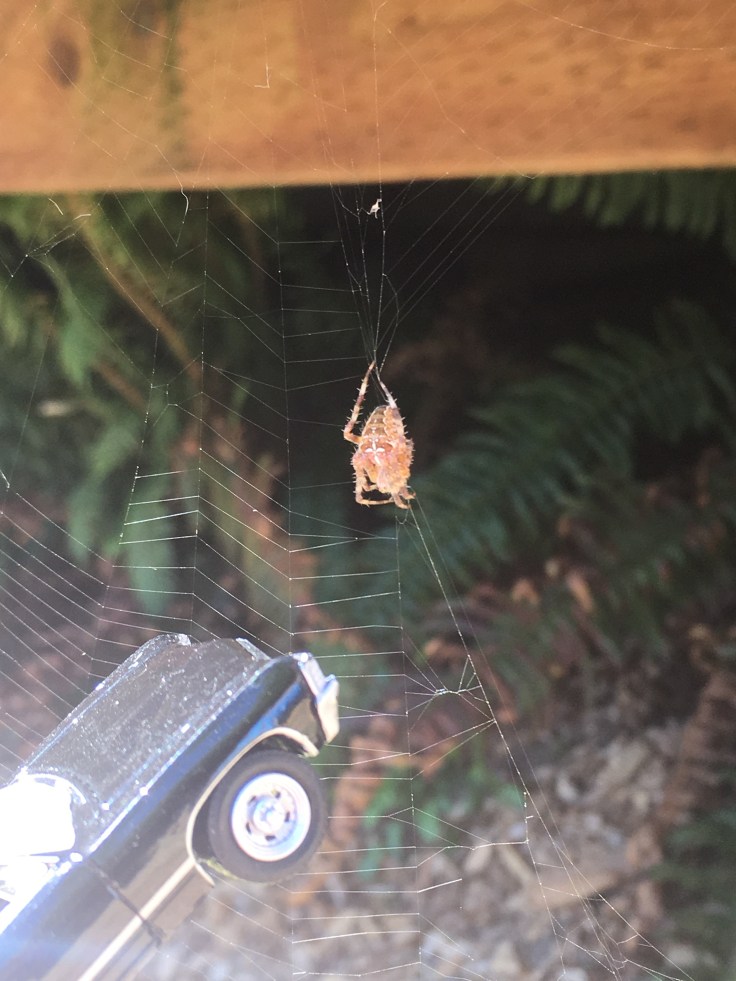
This is a picture of a spider. Spiders are common examples of an arthropod. Arthropods are invertebrates that have a segmented body. The most common types of arthropods are arachnids, insects, and crustaceans.

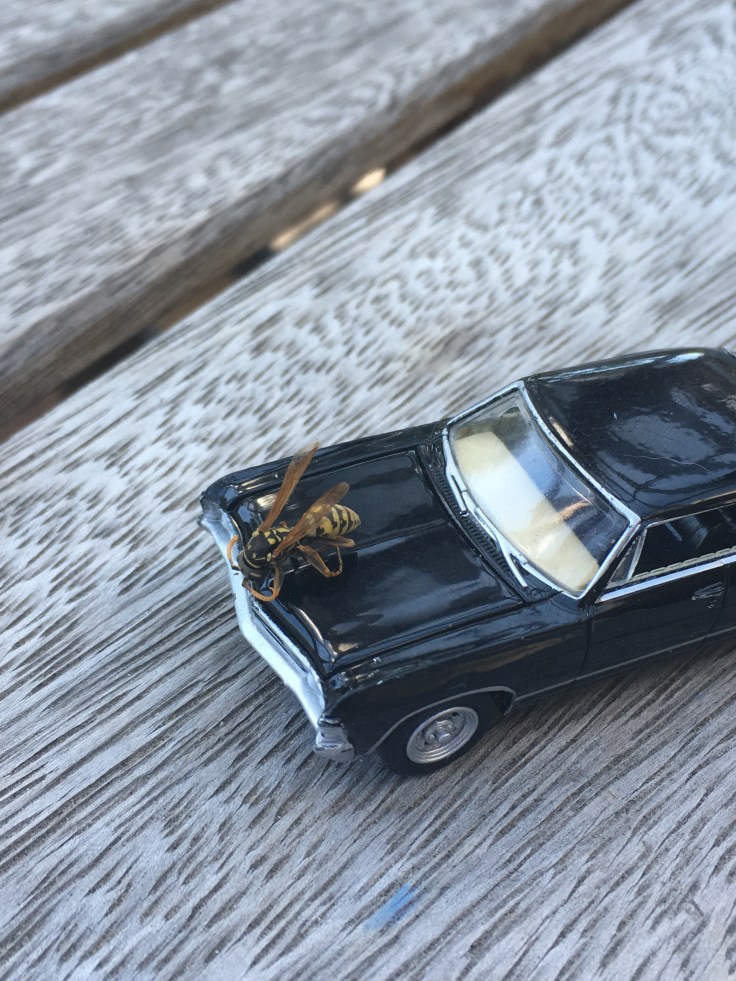
This is a picture of a yellow jacket. Yellow jackets are an example of and animal with a segmented body. An animal that has a segmented body has repeating or different sections that form the whole creature. Yellow jackets have clear segments; the head, thorax, and abdomen.


This leaf has been detached from a tree. This is caused by abscisic acid. Abscisic acid is what causes leaves to detach, and it also stops seeds from germinating and budding. This tree responded to the cold by producing abscisic acid, which then detached the leaf.


This is a tree frog. Tree frogs are a great example of an adaptation of an animal. Special features that certain animals have that help them in their environment are considered adaptations. Tree frogs have great camouflage, which helps them blend in with trees and other plants, which helps them hide from predators.
 Mickie Wilkinson