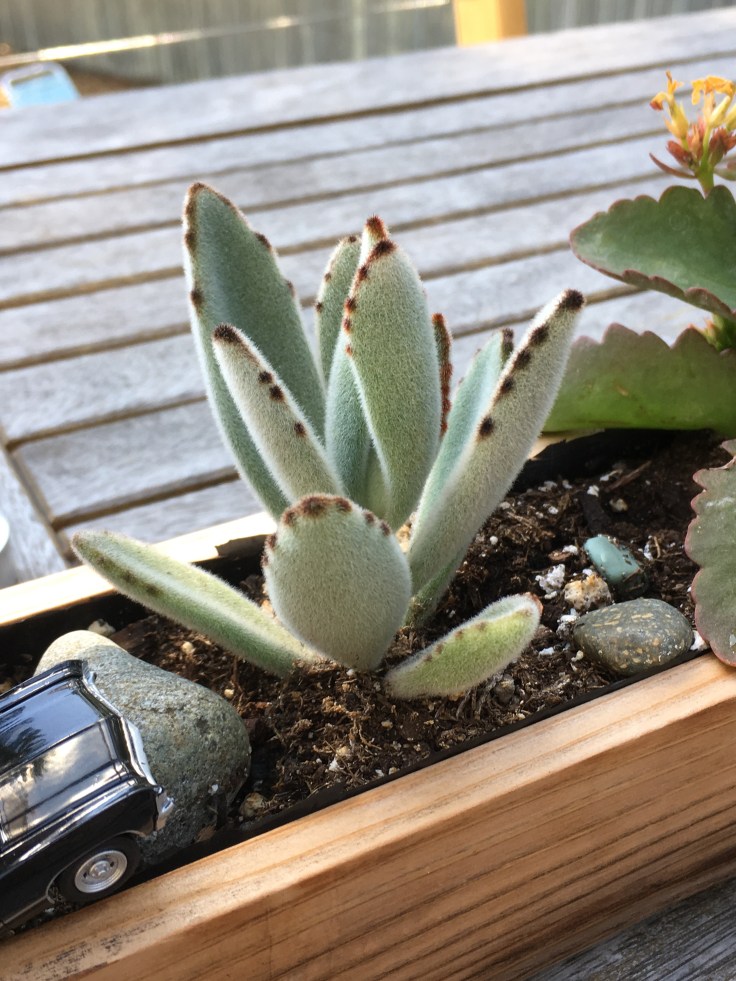
This is a picture of a succulent. Succulents are examples of xerophytes. Xerophytes are plants that need very little amounts of water. Succulents only need small amounts of water to survive.
AP Biology Blog

This is a picture of a succulent. Succulents are examples of xerophytes. Xerophytes are plants that need very little amounts of water. Succulents only need small amounts of water to survive.

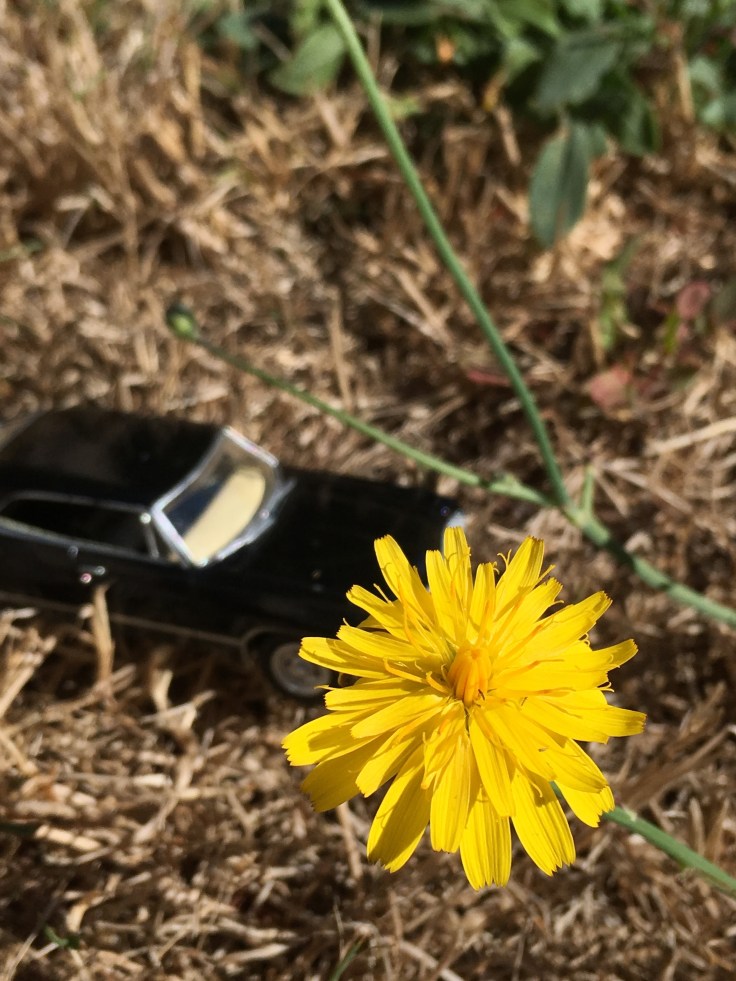
This is a picture of a dandelion flower. Dandelion flowers are examples of flowers with pollen. Pollen is a fine powder that is made from the male flower parts. It fertilizes the seeds when they come in contact. This flower has fine yellow powder on it.


This is a picture of the stem of a plant. Plant stems are examples of herbaceous stems. Herbaceous stems are soft (contrasted to woody stems) and come out of the ground. This stem is soft and comes out of the ground.

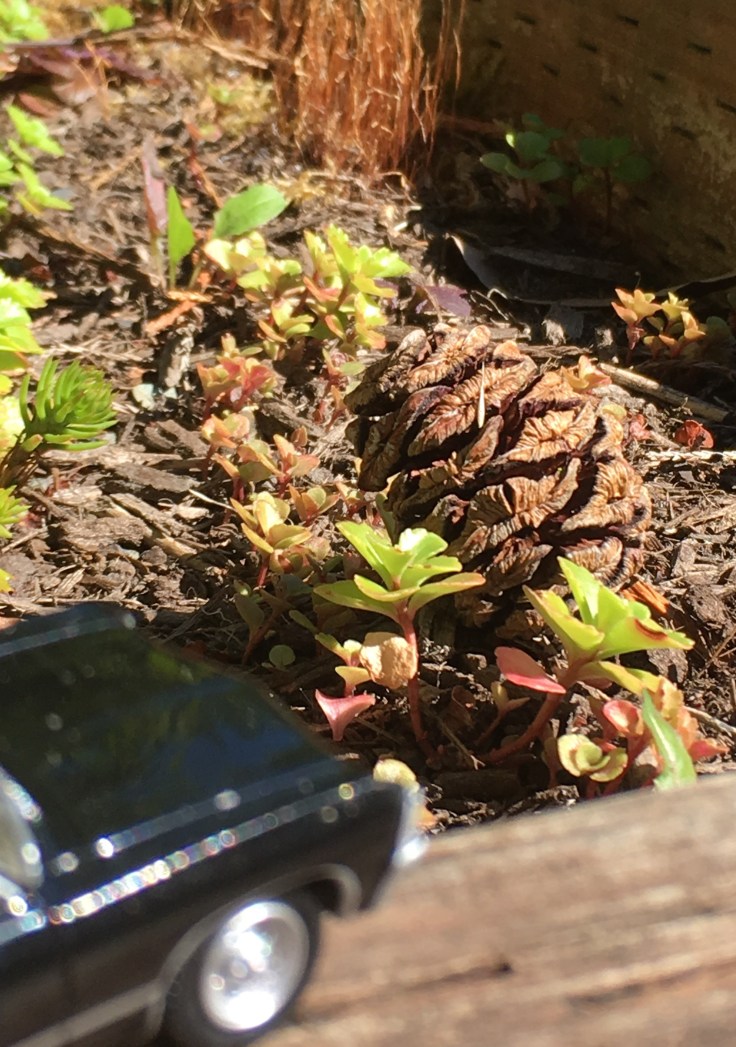
This is a picture of a pine cone. Most pine cones are an example of female pine cones. A female pine cone is bigger than male cones, they have seeds and more room between each scale. This pine cone is bigger than others, and has seeds.


This is a picture of lichen. Lichen is an example of lichen. Lichen is a slow growing crusty plant that grows on trees and rocks.


This is a picture of a pine tree. Pine trees are an example of a plant with heartwood. Heartwood is the hard inner part of the tree, usually the best wood for timber. This is a tree, so it has heartwood, and you can see the lighter wood in the middle of the picture.


This is a picture of a blueberry. Blueberries are examples of a fleshy fruit with seed. Fleshy fruits with seeds have fleshy insides when they are fully grown, and seeds usually near the center of the fruit. Blueberries have fleshy insides and seeds in the middle.

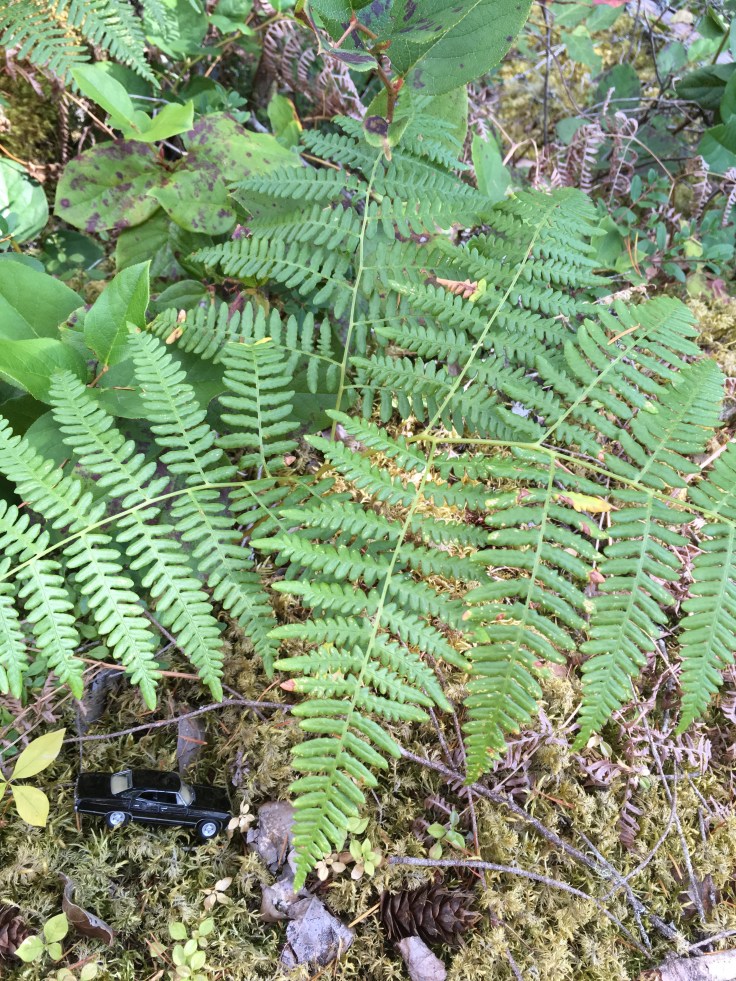
This is a picture of a fern. A fern is an example of a plant with fronds. Fronds are leaves of ferns, palm trees, and other similar plants. Ferns have fronds.

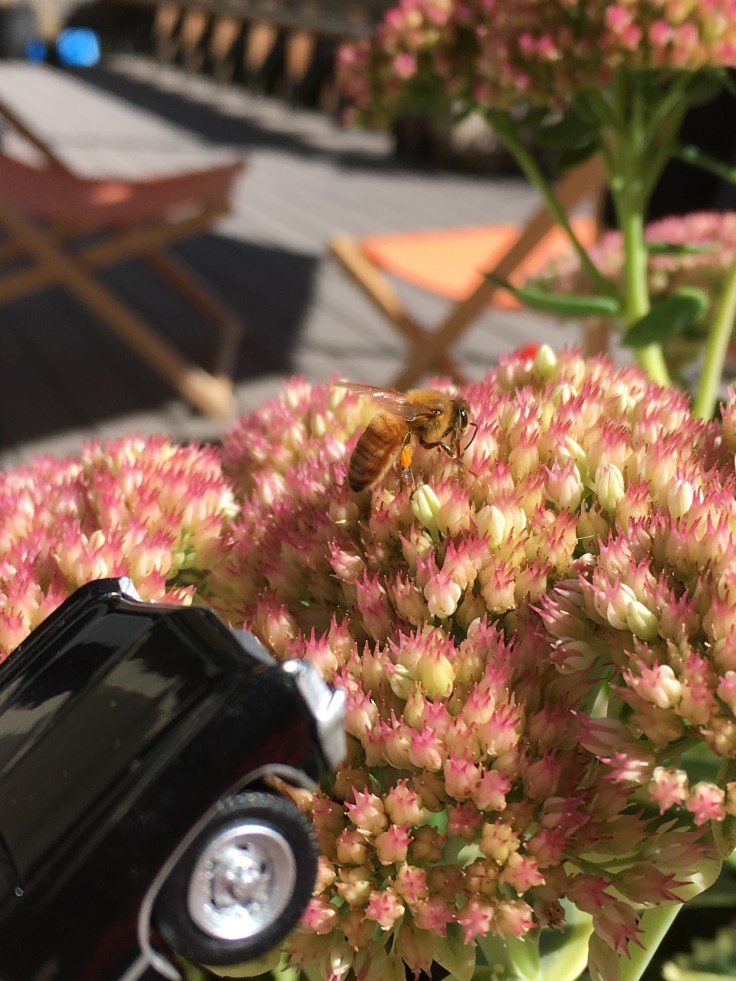
This is a photo of a bee. Bees are an example of an animal with an exoskeleton. An exoskeleton is a hard outer layer on many invertebrates that provides structure and protection. Bees have a hard outer layer that provides protection.


This is a picture of my dog (Cleo). She is an example of an endotherm. Endotherms are organisms that can make their own heat. Cleo can make her own heat.
 Mickie Wilkinson