Week 6 Reflective Response- Formation of the Earth and Atomic Bonds

This week in AP Biology we learned about the formation of Earth, as well as how life began and evolved into all of the complex species of today. The Earth was formed about 4.5 billion years ago, then life began around 4 billion years. The first life was single celled and very simple, but it evolved into more complicated and eventually multi cellular organisms. This relates to Big Idea 1.D: The origin of living systems is explained by natural processes.

Image result for formation of earth

We also learned about atomic bonds, which are the connections between valence electrons of atoms. Ionic bonds are where one atom transfers its valence electrons to a different atom, while covalent  bonds are where two atoms share valence electrons between themselves.

Image result for atomic bonds

One theory that I found interesting is endosymbiosis, which is where bacteria is engulfed by a larger cell and instead of breaking it down, it uses the bacteria to preform functions. Two examples of this is mitochondria and chloroplasts. This related to Big Idea 4.A.2: The structure and function of subcellular components, and their interactions, provide essential cellular processes. At first I thought that the bacteria was being used by the larger cell, but it turns out that they benefit from each other; the bacteria gets protection from the larger cell.

Image result for endosymbiosis

We also learned that extinction plays a big part in evolution, and that 99.9% of all species that have ever lived on Earth have gone extinct. To think that all of the species today are only 0.1% of all living things is incredible. Humans have caused many species to go extinct, but I think we can turn that around in the future by being conscious of our environment and the animals and plants that live there.

Image result for extinction


Sources:

Creation of Life Prezi

Creation of Earth Image

Atomic Bond Photo

Endosymbiosis Image

Extinction Image

Week 2 Reflective Response- Evolution

Image result for evolution tree

This week in AP Biology we learned more about evolution, and also some theories of how life started.

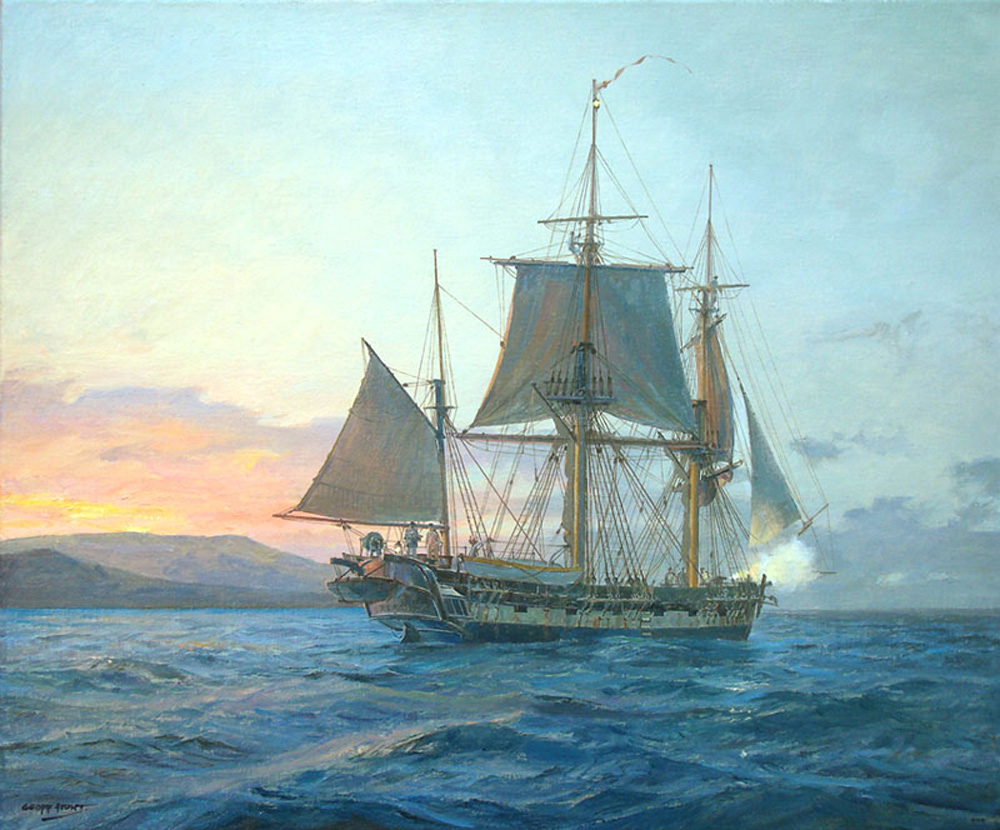
Evolution was first theorized by Charles Darwin while he was on board the HMS Beagle. As he circumnavigated the globe he collected specimens and other evidence to prove his ideas (1.A.4). After he went home, it took him 20 years to publish his theory of evolution. I thought this was an absurd amount of time to wait, but in that time period many people did not believe him, so he wanted to be sure he could prove it.

Image result for charles darwin on the origin of species

Image result for hms beagle


We also read some theories on how life was created on earth. One of them was the Replication-First (or Gene-First) Hypothesis, which explains how RNA most likely created the original form of life on Earth. When I read this, I wondered how the RNA could be created in the first place. I then learned that this hypothesis is dependent on the idea that organic molecules formed on Earth, including the nucleobases in RNA. RNA can store information, as well as carry out functions, something that DNA cannot do. Then the RNA bonds with random amino acids, and the good combinations survive to pass on their order of acids. They eventually form lipid layers around the RNA, creating the first cell, then DNA and proteins replace the RNA to carry out more complex functions of life. This relates to one of our big ideas, 1.D.1, which says “There are several hypotheses about the natural origin of life on earth, each with supporting evidence.”

Image result for RNA

This article helped me understand Darwin’s theory:

https://www.livescience.com/474-controversy-evolution-works.html

Here is a video that helped me understand the Replication-First Hypothesis:


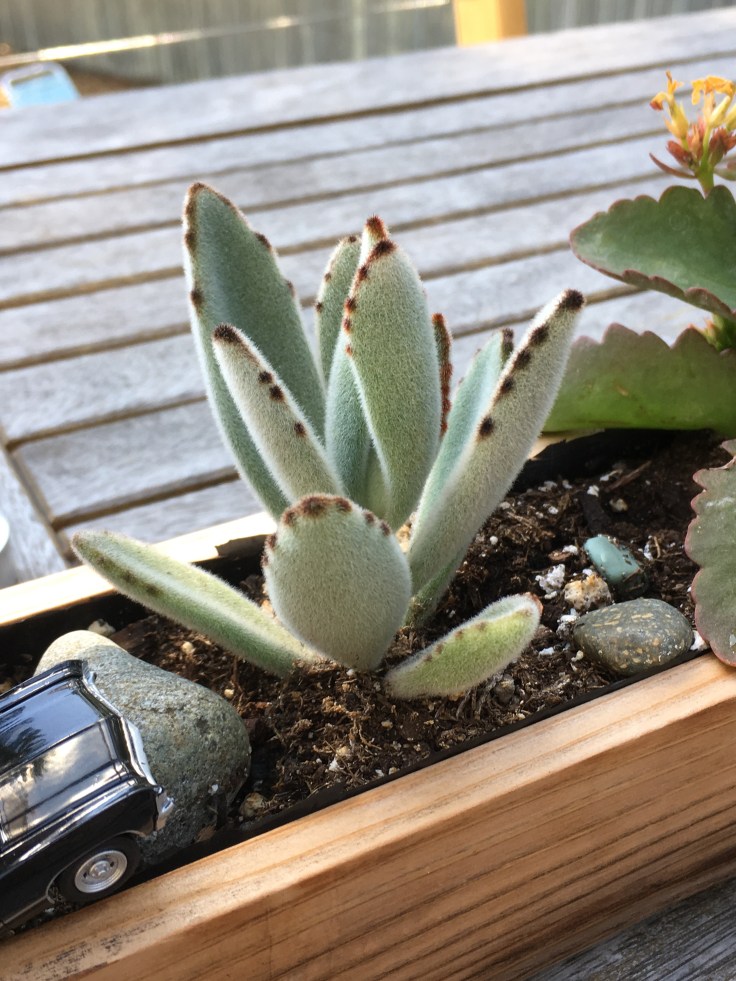
Xerophyte

IMG_6238.jpg

This is a picture of a succulent. Succulents are examples of xerophytes. Xerophytes are plants that need very little amounts of water. Succulents only need small amounts of water to survive.

Create a website or blog at WordPress.com

Up ↑

Design a site like this with WordPress.com
Get started