
This week in AP Biology we learned about what factors influence evolution, as well as how he can calculate the expected traits of a population using the Hardy-Weinberg theorem.
There are many factors that change how an organism evolves, but first you need to understand that populations evolve, not individuals. This is also stated in Big Idea 1.A; change in the genetic makeup of a population over time is evolution. Here are the five sources of evolution:
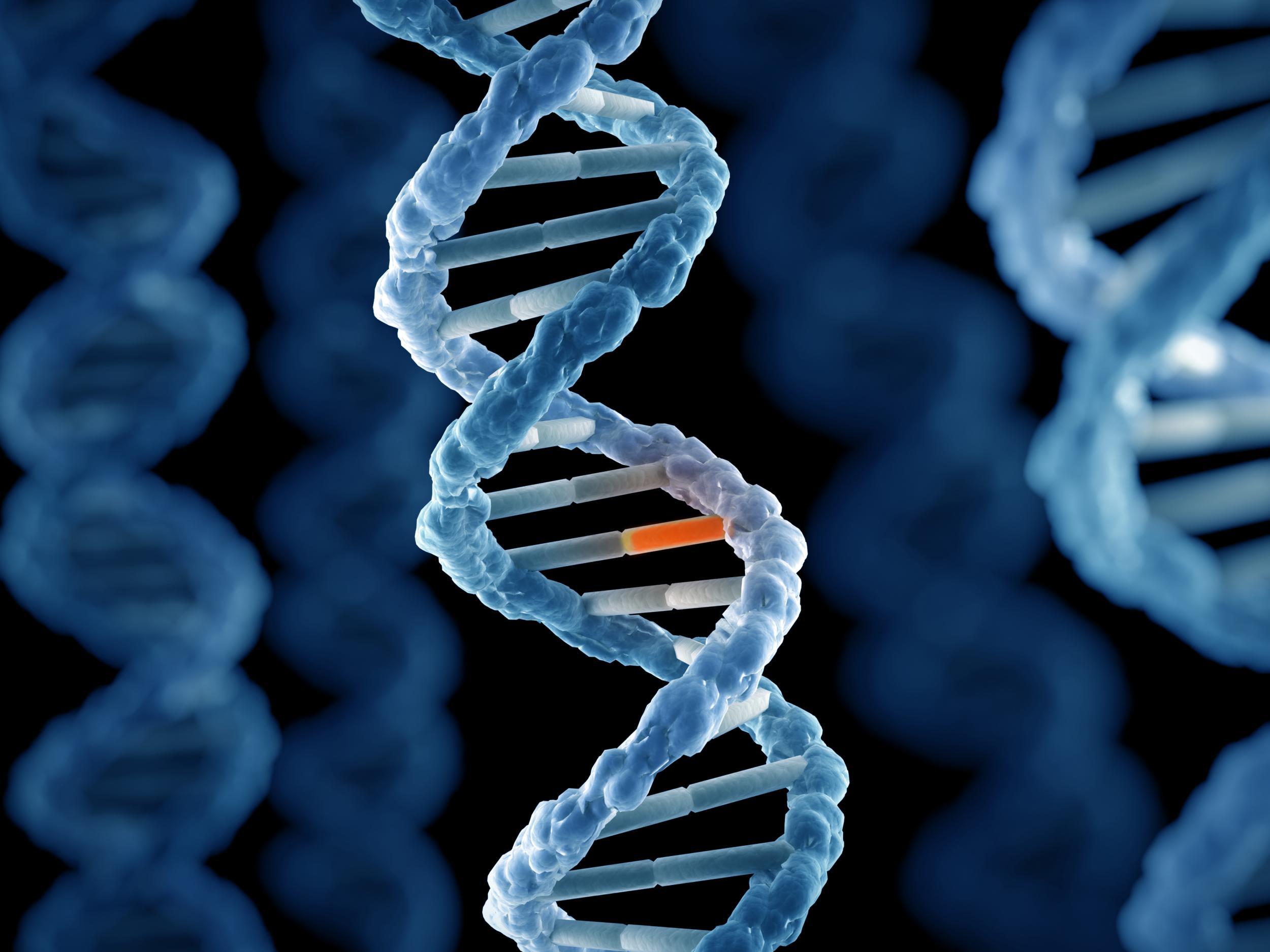
- Mutation: A change in DNA sequence that changes traits but may or may not affect fitness.
- Gene Flow: The movement of individuals and alleles in and out of a population.
- Genetic Drift: The effect of chance events on a population- if many individuals die out, the ones that survive will create a new population with similar traits.
- Non-Random Mating: Sexual selection- stronger individuals will have offspring, giving those offspring the best traits possible.
- Natural Selection: Different survival and reproduction rates due to changing environment.
When we learned these sources of evolution, I thought that gene flow and genetic drift would stop evolution, but I realized that they all work together to change populations over time.
The Hardy-Weinberg theorem is a way to calculate the expected physical or genetic traits of a population. We used this theorem to find the heterozygous, homozygous dominant, and homozygous recessive allele frequencies of a population.

Sources:
https://prezi.com/wypg7zbawzez/ap-bio-evolution-4-measuring-evolution/
https://i.ytimg.com/vi/1inA6ZLAgM4/maxresdefault.jpg
 Mickie Wilkinson
Leave a comment